Surge – Gay Dating & Gay Chat
4.413.64KReviews
Analysis ByAppCompare
I approached Surge – Gay Dating & Gay Chat as a social app for LGBTQ+ men who want to meet people, start conversations, and explore dating with a more focused audience than a general-purpose platform. My first impression was that its value depends less on flashy extras and more on whether the people around you fit what you are looking for. That makes location, profile quality, and personal boundaries especially important.
The app is free to download and use at its basic level, while optional in-app purchases range from $0.99 to $179.99 per item. It carries a Mature 17+ rating, which feels appropriate for a dating service built around adult conversations and relationships. Cosmic Latte s.r.o. is the developer, and the app has been available since April 15, 2014. Its long presence and broad audience give it a useful starting point, although popularity alone should never replace careful judgment when meeting strangers online.
How Surge feels when you use it
A focused dating space rather than a general social network
What I like most about Surge is its clear audience. Instead of asking you to explain your identity and interests inside a huge mixed dating pool, it starts from a community of gay, bisexual, ace, trans, and bear men. That focus can make the first step easier, especially if you are tired of filtering through profiles that are not relevant to you.
At the same time, a focused audience does not automatically mean every conversation will be meaningful. I found that the quality of the experience still depends on how carefully people write profiles and how actively they use the app. A short profile can make it difficult to tell whether someone wants a relationship, friendship, casual conversation, or simply attention. I recommend stating your own intentions plainly rather than expecting the matching process to do all the work.
The app’s store rating sits at 4.4 from around 118 thousand ratings, with roughly 14 thousand written reviews. It has also passed 5 million installs. Those figures suggest a substantial user base, but they should be read as a sign of reach, not as a promise that your local area will be equally active. Dating apps can feel busy in one neighborhood and quiet in another, so I would test the nearby pool before paying for anything.
What I would do during the first session
I would begin by creating a profile that answers the questions I would want answered myself: what kind of connection I am open to, what sort of conversation I enjoy, and what I am not comfortable with. Clear wording helps reduce mismatched expectations and gives respectful users something real to respond to.
I would also avoid treating every profile as equally trustworthy. A polished photograph or confident description is not proof of identity, intentions, or safety. My practical approach is to keep early chats inside the app, avoid sharing sensitive details too quickly, and look for consistency between what someone says and how they behaves over time. If a person pressures me to move immediately to another service, asks for money, or becomes hostile when I set a boundary, I would end the conversation.
A realistic everyday use case is a person arriving in a new city for work. Rather than opening a broad social network and hoping to find relevant contacts, they can use a specialized dating app to see whether there are people nearby who share the same community context. I would still arrange a first meeting in a public place, tell a trusted friend where I am going, and keep my own transport and exit plan. The convenience of discovering people nearby should never remove those basic precautions.
Matching is only the beginning
The strongest reason to try Surge is that it can reduce the amount of irrelevant browsing. Its identity-focused community makes the app more immediately understandable than a general dating service, particularly for users who want to meet men within LGBTQ+ communities. I found that useful when I wanted conversations to begin from a shared social context rather than repeatedly explaining it.
The trade-off is that specialization can narrow the pool. If you live outside a large urban area, travel often, or want a very specific age range or interest group, you may see fewer suitable profiles than you would on a larger general platform. In that situation, a broader dating service may be better as a second option, while Surge remains useful for its more targeted audience.
I would also compare the app with LGBTQ+-focused alternatives based on local activity, not reputation alone. One service may have better conversations in your area, while another may offer more profiles but less clarity about intentions. Surge makes the most sense when its community focus matches what you want and when the nearby user base is active enough to support genuine interaction.
Trust starts with visible choices
For a dating app, trust is not just about whether the interface looks modern. I pay attention to the choices I can see and control: what I put in my profile, how much personal information I reveal, whether I can stop responding, and whether I can leave an uncomfortable conversation. Those decisions matter more to me than decorative design.
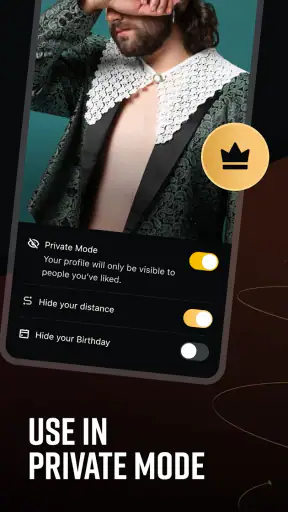
I recommend treating every profile field as optional in spirit, even when the app encourages completion. A photo, neighborhood, workplace, social handle, or personal description can each reveal more than intended when combined. I would use a photo that feels authentic but does not expose a home address, workplace badge, or routine location. I would also avoid publishing information that could identify where I live or when I am usually alone.
Another useful habit is separating discovery from disclosure. Early messages can stay light while you decide whether a person is respectful and consistent. There is no benefit in sharing private documents, financial information, or intimate images simply because a conversation feels exciting. If a user tries to create urgency, I would treat that as a warning sign rather than a reason to respond faster.
Handling conversations, boundaries, and uncomfortable behavior
Dating apps can make ignoring someone feel impolite, but I do not think politeness should override comfort. If a conversation becomes invasive, sexual in a way I did not invite, or aggressive after a refusal, I would stop engaging and use the account controls available to me. Blocking or reporting is not an overreaction when someone ignores a clear boundary.
I would take screenshots or note the relevant details before closing a serious complaint, provided doing so does not put me at further risk. That creates a clearer record if I need to describe what happened. I would not confront a suspected scammer or attempt to investigate them personally. The safer choice is to disengage, use the app’s reporting path, and protect my own accounts.
One subtle point is that moving to another messaging service can remove some of the context that helped me judge a new contact. I prefer to wait until there is a basic level of trust before sharing another username or phone number. Even then, I would check privacy settings on the other service first. A dating conversation is not automatically private just because it feels personal.
Paid options and the question of value
Surge is free, which makes it easy to test without committing money immediately. That is the right approach in my view: use the free experience long enough to understand the local activity, the quality of conversations, and whether the app fits your goals. Only then should you consider an optional purchase.
The available in-app items span from $0.99 to $179.99 per item, a wide range that deserves careful attention before confirming payment. I would read the purchase screen slowly, check whether an item is one-time or recurring, and avoid buying while feeling frustrated by a quiet day or an unsuccessful conversation. Paying can improve access to certain conveniences, but it cannot create compatibility or make another person respectful.
My personal rule is simple: never pay to solve a problem that is actually about the user pool. If few nearby profiles fit what I want, a purchase may only make browsing more efficient without improving the underlying choices. If I am already finding promising conversations and a paid option addresses a specific limitation I genuinely encounter, then the decision becomes easier to justify.
Who should try it, and who should look elsewhere
I think Surge is worth trying if you are an LGBTQ+ man who wants a dating environment with a clearly defined community focus. It may suit someone who prefers direct introductions, wants to meet people nearby, or feels more comfortable starting from shared identity rather than a completely open dating pool.
It is less suitable for someone who wants a large general audience, extensive relationship questionnaires, or a dating experience built mainly around detailed compatibility testing. It may also disappoint users who expect every nearby profile to be active or who want the app itself to determine whether a match is safe and sincere. No dating service can make those judgments for you.
I would also skip it, at least for now, if you are not ready to manage boundaries and privacy actively. The app can help people find one another, but the user still has to decide what to reveal, when to move a conversation forward, and when to leave. That responsibility is normal for online dating, but it should be acknowledged before signing up.
My cautious verdict
After using Surge as a focused social and dating tool, I see its main strength in its clear community orientation. It gives LGBTQ+ men a more relevant place to begin than a completely general platform, and its free entry makes testing the experience straightforward. The sizeable audience is encouraging, but local activity and profile quality will determine whether it becomes useful for you.
My recommendation is to start slowly: build a limited but honest profile, keep early conversations inside the app, watch for pressure or inconsistent stories, and use account controls whenever someone crosses a line. I would not treat a high rating or a large install count as a substitute for personal caution. The best experience comes from combining the app’s focused audience with deliberate privacy choices.
Overall, I would recommend Surge to adults who want a specialized LGBTQ+ dating space and are comfortable taking an active role in their own safety. I would keep expectations realistic, delay paid purchases until the free version proves useful, and remember that the right alternative may be a broader service if the local pool is too small. Used with that mindset, it is a practical option rather than a promise of instant romance.
For me, that balance is the deciding factor: Surge can make discovery more relevant, but trust has to be earned one conversation at a time. Its tools and community focus may open the door, yet I remain responsible for how far I walk through it. That is why I see it as a worthwhile app to test, provided I keep control of my information, my time, and my boundaries.
FAQ
What is Surge – Gay Dating & Gay Chat used for?
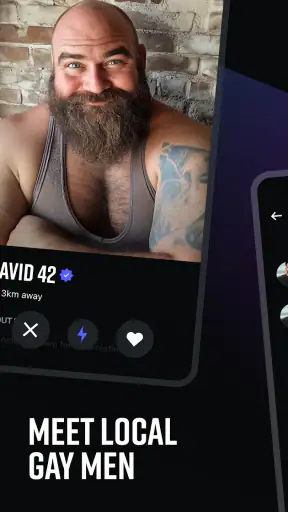
Surge is a social and dating app designed primarily for gay, bisexual, transgender, and queer users who want to meet people, chat, and explore potential relationships. After creating a profile, you can browse nearby members, view photos and basic information, send messages, and decide whether you are interested in connecting. The experience can vary depending on your location and the number of active users nearby.
Is Surge free to download and use?
Surge can generally be downloaded for free on supported Android and iOS devices, and the basic version provides access to essential profile browsing and communication features. However, some functions may be restricted behind optional premium subscriptions or in-app purchases. Before subscribing, check the current pricing, renewal terms, and available features in the store listing, since plans and costs may differ by country or change over time.
Does Surge require my real name or personal information?
You typically create a profile using information such as a display name, age, photos, location, and a short description. You do not necessarily need to publish every personal detail, but providing accurate information can help other users understand who they are speaking with. Review the app’s privacy settings carefully, limit sensitive information, and avoid sharing your address, workplace, financial details, or other identifying data with strangers.
Is Surge safe for meeting and chatting with other users?
Surge includes features intended to support online dating and social interaction, but no dating platform can guarantee that every profile is genuine or that every conversation will be safe. Use the block and report tools when necessary, be cautious with requests for money or private images, and consider video chatting before meeting. If you arrange an in-person date, choose a public location and tell someone you trust about your plans.
Can I control who contacts me and delete my Surge account?
The app provides profile and communication controls that can help you manage your experience, including blocking or reporting users who behave improperly. Available settings may include notification, privacy, and visibility options, although the exact controls can depend on the current app version. If you stop using Surge, look in the account or settings section for deactivation or deletion options, and review subscription settings separately to prevent unwanted renewals.
Pros
- Large LGBTQ+ community makes it easier to find nearby matches.
- Profile filters help narrow searches by interests and relationship goals.
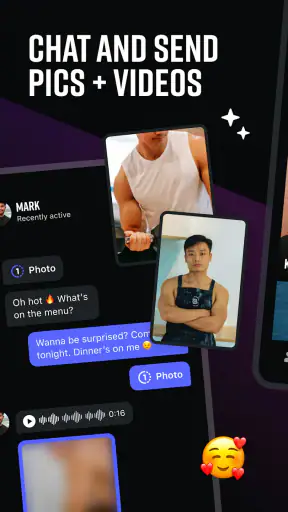
- Chat features support quick conversations after matching.
- The interface is simple to learn and easy to navigate.
- Useful for both casual connections and longer-term dating.
Cons
- Some features may require a paid subscription or in-app purchases.
- Match quality can vary depending on activity in your local area.
- Users may encounter inactive or incomplete profiles.
- Location-based features can raise privacy concerns for some users.
- As with any dating app
- unwanted messages and fake profiles are possible.